From “Alphabet Soup” to a Smart Choice: A Complete Guide to USB Connector Types and the Future of Pogo Pins
In the world of modern electronic devices, USB connectors are everywhere. But their complex array of types—from A to B, and from Micro to Type-C—often confuses engineers and designers. Choosing the right connector isn’t just about compatibility; it’s about a product’s long-term reliability, durability, and user experience.
This article gives you a complete guide to understanding the types and uses of various USB connectors. It also reveals how a Pogo Pin connector can be a smarter, more reliable solution for special applications.
Part One: A Deep Dive into Common USB Connector Types
1. USB Type-A: The Classic and Enduring
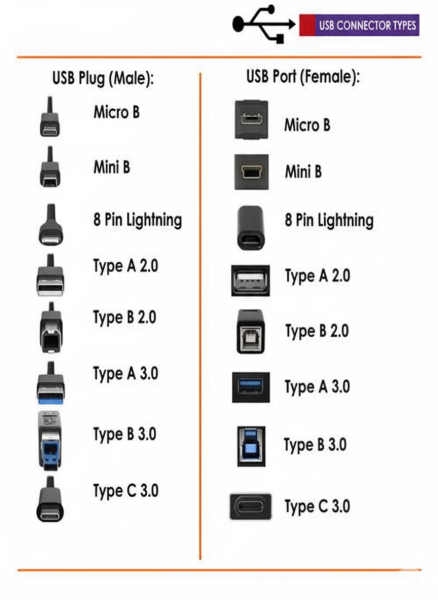
Type-A is the most widely known and used type of USB connector. Its rectangular design and four pins make it the standard port for personal computers, TVs, and gaming consoles. Even with the rise of new connectors, Type-A still dominates many applications due to its stability and reliability.
2. USB Type-B and Mini-USB: Fading from the Stage
Type-B connectors are mainly for larger peripherals like printers, scanners, and hard drives. Their unique square shape makes them incompatible with Type-A. The later Mini-USB, with its smaller size, briefly became the standard for early digital cameras and MP3 players. However, their bulky size and single-direction plugging led to their decline.
3. Micro-USB: The Brief King of the Mobile Era
Micro-USB was once the global standard for smartphones and tablets. It’s smaller than Mini-USB but also only supports one-way insertion. While its compact design and versatility made it popular, frequent use and physical limitations (like being easily damaged) eventually led to its decline.
4. USB Type-C: The Universal Future
USB Type-C is the newest member of the USB family and the most promising universal connector. Its reversible design (you can plug it in either way) greatly improves user experience. More importantly, Type-C supports protocols like USB 3.1, USB Power Delivery (USB PD), and DisplayPort, enabling data transfer up to 10Gbps, 100W of power, and video output. This makes it the top choice for laptops, smartphones, and many new devices.
Part Two: When the Standard Is Not Enough
Even with the power of USB Type-C, traditional physical connectors can face challenges in certain special or extreme applications:
- Durability: In applications that require frequent mating cycles (like test equipment or medical devices), the lifespan of traditional connectors can be a bottleneck.
- Environmental Resilience: In outdoor, industrial, or medical settings that need water, dust, and shock resistance, standard USB connectors may not have enough sealing or shock protection.
- Design Flexibility: For products that need to be ultra-thin or have a non-standard shape, the large size and fixed design of standard USB connectors can limit innovation.
Part Three: Our Solution: The Unique Advantage of Pogo Pin Connectors
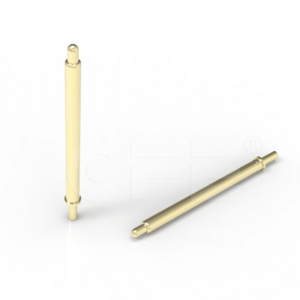
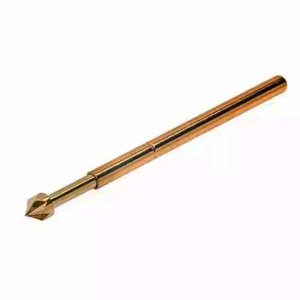
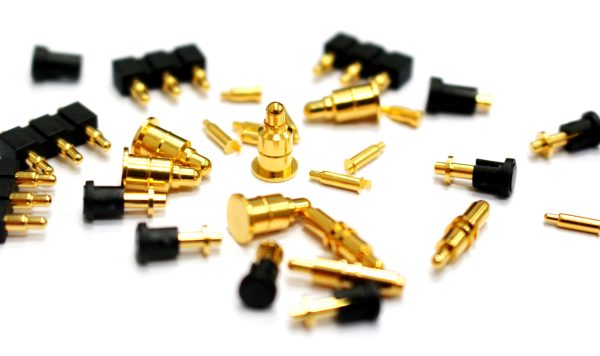
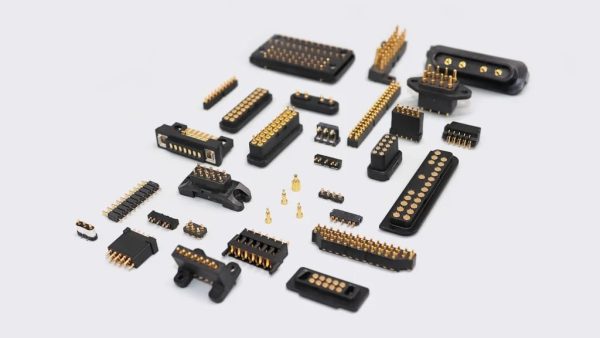
Facing these challenges, Pogo Pin connectors offer a smarter, more reliable alternative for your products. They perfectly combine the electrical performance of USB with their own structural advantages, solving the problems of traditional connectors.
- Extreme Durability: Pogo Pin connectors can handle hundreds of thousands or even millions of mating cycles, far more than any traditional USB connector. This makes them ideal for high-frequency applications.
- Superior Water and Dust Resistance: The physical structure of Pogo Pins makes it easy to add waterproof seals, allowing them to effortlessly meet IP67 or higher water and dust resistance standards. They are perfect for harsh environments.
- Flexible and Compact Design: Pogo Pins have no bulky housing, so you can integrate them freely into your products. This flexibility lets designers create thinner, more compact, and more streamlined products.
- Enhanced Shock Resistance: A Pogo Pin’s spring-loaded structure provides strong cushioning. This helps it effectively resist shock and vibration, ensuring a stable connection in any situation.
Practical Applications of Pogo Pins:
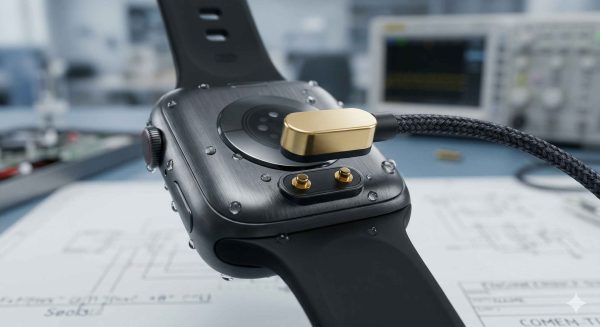
- Smart Wearables: Devices like smartwatches and fitness trackers are small and have strict size requirements for their interfaces. The compact size of Pogo Pins makes them easy to integrate. Their magnetic, auto-aligning connection is also more convenient for users than a USB port. Many smart wearables now use Pogo Pins for charging and data transfer.
- Devices Needing High Connection Stability: In some industrial and medical devices, operation can be affected by vibration or shock. Pogo Pins use a spring-loaded contact pin, which provides a stable electrical connection in these environments. This reduces the risk of poor contact or signal loss, making them a good alternative to USB ports for charging and data transfer.
- High-End Laptops: Some high-end laptops use Pogo Pin technology to connect to docking stations or styluses. It provides better connection reliability and charging efficiency while reducing wear and tear on the port from frequent use.
As a professional Pogo Pin manufacturer, Jiatel can customize a Pogo Pin USB solution for your specific needs, including power, data, and signal pins, to perfectly match your innovative product design.
Conclusion: Make a Smart Choice for Your Next Project
Choosing the right connector is key to ensuring a product’s performance and reliability. Whether it’s the standardized USB Type-C or a Pogo Pin designed for special applications, every connector has its unique value.
If you are looking for a connectivity solution that offers high-speed transfer, great durability, water and dust resistance, or a thin design, don’t hesitate. Contact Jiatel today. We will provide expert consultation to help you find the perfect connector solution for your next innovative project.